One of the things that confuses new Part 107 pilots is the idea of ATC authorization. Do you have to call someone before every flight? Do you need permission to fly in your backyard? The short answer is no, most of the time you do not need to talk to anyone. But sometimes you absolutely do, and the exam will test whether you know the difference.
When You Do NOT Need Authorization
If you are flying in Class G airspace, which is uncontrolled airspace, you do not need ATC authorization. Class G is generally the airspace close to the ground in areas away from airports. Most recreational and commercial drone flights under 400 feet AGL in open areas are happening in Class G. No phone call, no app request, no paperwork. Just fly.
When You DO Need Authorization
Under Part 107, you need authorization to fly in Class B, C, D, and surface-level Class E airspace. These are all controlled airspace areas, generally around airports. The size and structure of each class varies but the rule is the same across all of them: you need permission before you fly there.
A few things worth knowing about each one:
- Class B surrounds the busiest commercial airports. It extends from the surface up and gets wider as you go higher, like an upside-down wedding cake. Big cities, major airline traffic.
- Class C is around mid-size airports with radar and a control tower. Smaller footprint than Class B but still controlled.
- Class D is around smaller airports that have a control tower. Typically a 4 nautical mile radius and goes up to about 2,500 feet AGL.
- Surface Class E is the one people forget. Most Class E starts at 1,200 feet AGL, which means drones under 400 feet are in Class G below it. But around some airports, Class E extends to the surface, and that requires authorization too.
How You Actually Get Authorization: LAANC
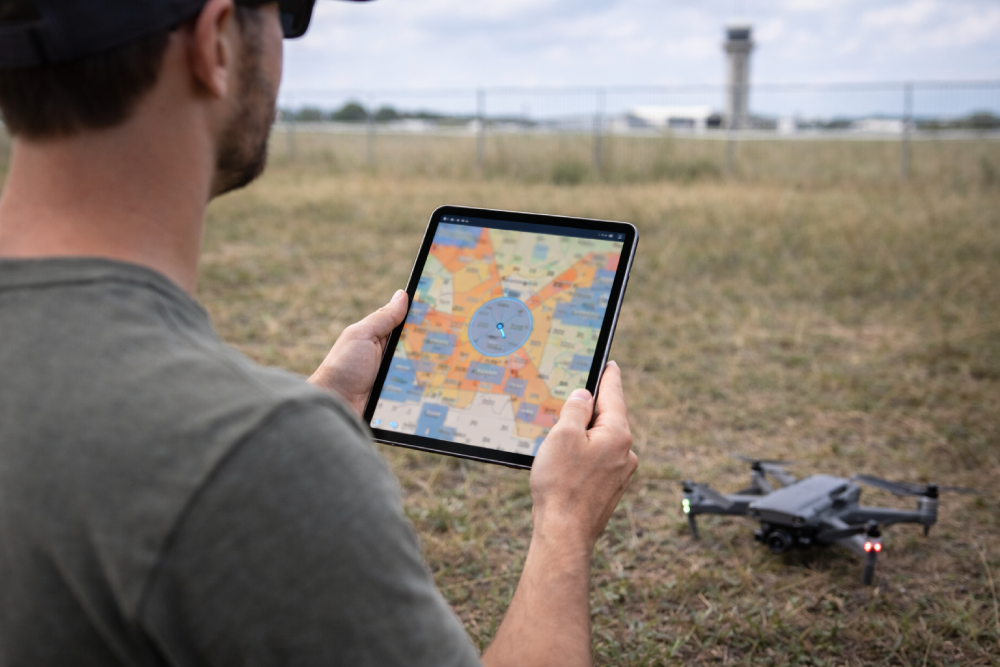
For most controlled airspace, the fastest way to get authorization is through LAANC, the FAA's automated authorization system. You request it through an approved app, it checks your location and altitude against a pre-approved grid, and you get a yes or no in seconds. No phone calls, no waiting days for a response.
If LAANC cannot cover your request because you are asking for an altitude above the pre-approved ceiling or flying in an area not covered by LAANC, you apply manually through FAA DroneZone. That takes longer, sometimes days, so plan ahead.
Does Authorization Mean You Talk to ATC Directly?
Not usually. LAANC handles authorization automatically without any direct communication with air traffic control. You are not calling up a tower and asking for clearance like a manned aircraft would. The authorization process for drones is mostly handled through apps and the FAA's online systems.
That said, if you are flying near a controlled airport and ATC reaches out to you on a radio frequency or through any other means, you are expected to respond. And if something unexpected comes up mid-flight, like an aircraft heading your way, landing your drone immediately is always the right call regardless of your authorization status.
Airspace authorization is a big part of the Part 107 exam
FAA 107 Prep covers it with practice questions and clear explanations so it actually makes sense before test day.